
Oracle Park Information
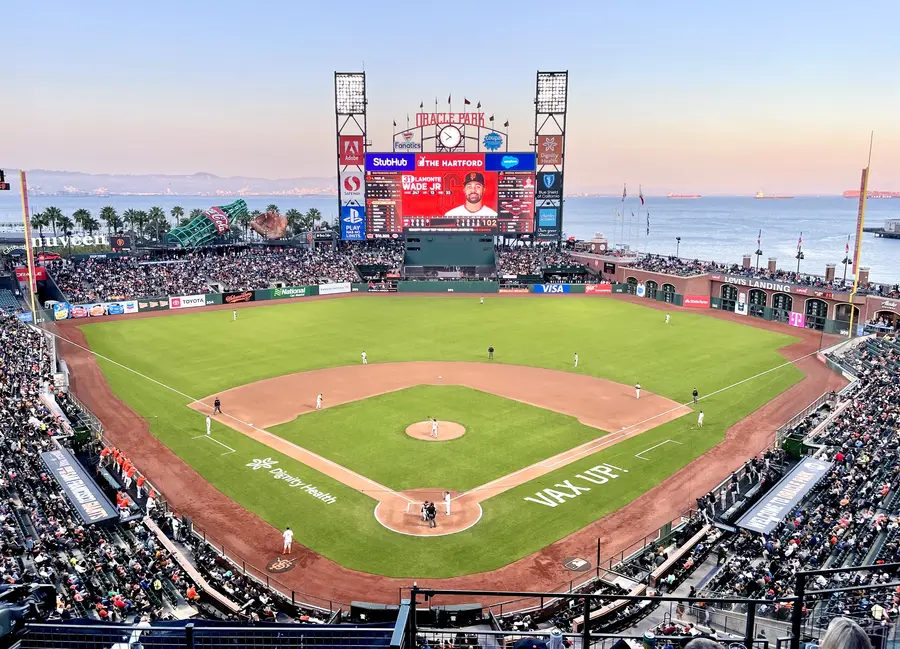
Oracle Park is an iconic waterfront ballpark that’s home to the San Francisco Giants of Major League Baseball (MLB). Opened in 2000, this 41,915-seat stadium offers stunning views of San Francisco Bay and McCovey Cove, blending classic baseball charm with modern amenities. Whether you’re attending a game, concert, or tour, this guide covers everything you need to know for an unforgettable visit. From its rich history to practical tips, we’ve got you covered.
History
Oracle Park’s story begins in the late 1990s when the San Francisco Giants sought a replacement for the windy Candlestick Park. Construction broke ground on December 11, 1997, in the China Basin area, with a total cost of $357 million (equivalent to about $667 million today). It was the first MLB ballpark built without public subsidies since Dodger Stadium in 1962, funded privately by the Giants with some tax abatements and infrastructure support. Designed by HOK Sport (now Populous), the stadium opened on March 31, 2000, as Pacific Bell Park, with an initial capacity of 40,800. Name changes reflect corporate sponsorships: It became SBC Park in 2004, AT&T Park in 2006, and finally Oracle Park in 2019 after Oracle Corporation secured naming rights. Major renovations in 2019-2020 relocated bullpens behind the outfield walls for safety, adjusted field dimensions to encourage more home runs (e.g., center field shortened to 391 feet), and added terraces. In 2023-2024, programmable LED lights and subwoofers were installed for enhanced visual and audio effects during home runs and wins. Notable events include Barry Bonds’ record-breaking home runs (e.g., his 756th in 2007, surpassing Hank Aaron), three World Series victories (2010, 2012, 2014), the 2007 MLB All-Star Game, and perfect games like Matt Cain’s in 2012. The park also hosted non-baseball events like the 2013 World Baseball Classic and concerts, cementing its status as a San Francisco landmark with 530 consecutive sellouts from 2010-2017.
Management
Oracle Park is owned by the Port of San Francisco, but the Giants hold a 66-year lease at an annual rent of $1.2 million. The San Francisco Giants organization manages daily operations, including events, maintenance, and fan services. As part of MLB, the team oversees everything from game-day staffing to concessions through their partnership with Diamond 58, the exclusive food service provider. The Giants’ management emphasizes sustainability, earning LEED Silver Certification in 2010 as the first MLB ballpark to do so, with features like solar panels and water conservation. For inquiries, contact them at (415) 972-2000 or via the MLB Ballpark app.
Atmosphere
Oracle Park’s atmosphere is electric yet relaxed, blending San Francisco’s foggy chill with passionate fandom. Expect breezy conditions – nights can drop to 50°F with 20 mph winds off the bay, so layers are essential. The vibe is lively, with 41,000 fans creating a roar during big moments, especially in the right-field bleachers near McCovey Cove, where kayakers chase “splash hits”. Pre-game festivities include live music and giveaways, while in-game highlights feature the foghorn after Giants home runs and Journey’s “Lights” during dramatic closings, dimming the stadium lights for a magical sing-along. The bay views, skyline, and casual energy make it feel like a quintessential SF experience – energetic but not overwhelming, with friendly crowds and a sense of history.
Equipment and Facilities
Oracle Park boasts state-of-the-art equipment enhancing the fan experience. The main scoreboard in center field features high-definition video, with recent upgrades including programmable LED lights that create motion effects for home runs and wins, plus subwoofers for immersive audio. Seating includes 68 luxury suites, 5,200 club seats, and accessible options across levels, with a total capacity of 41,915 for baseball. Unique facilities include the Coca-Cola Fan Lot with an 80-foot bottle slide, a giant glove sculpture, and a miniature ballpark for kids. The field uses Tifway 419 Bermuda Grass, and features like the 24-foot right-field wall (honoring Willie Mays) and four water-jetting pillars add flair. Accessibility is prioritized with ramps, elevators, and services like ASL interpreters.
What to Expect
Arrive early – gates open two hours before games – to explore and avoid lines. Use the MLB Ballpark app for digital tickets, mobile ordering, and Go-Ahead Entry for faster security. Bag policy allows clear bags up to 16x16x8 inches; no hard coolers or metal containers, but you can bring sealed non-alcoholic drinks and food. Expect cold, foggy weather – pack jackets and blankets. Security is thorough but efficient. Inside, enjoy concourse walks with bay views, interactive displays, and statues of legends like Willie Mays. For families, kid zones provide fun; tours offer behind-the-scenes access year-round. Non-game events like concerts transform the space into a vibrant venue.
Concessions
Oracle Park’s concessions reflect San Francisco’s culinary scene, managed by Diamond 58. Iconic items include Gilroy Garlic Fries (sections 118, 222) – crispy, garlicky perfection – and the Crazy Crab’z sourdough crab sandwich with creamy sauce (Anchor Plaza), often hailed as the best bite. Other highlights: clam chowder, Ghirardelli sundaes, lumpia, elote hot dogs, and vegan options like Field Roast dogs at The Garden. New 2026 offerings include char siu dogs and kimchi quesadillas. Beers feature local crafts; order via Uber Eats app to skip lines. Prices are stadium-high, but bringing your own sealed snacks saves money.
Other Useful Information for Event Goers
Transportation is easy: Take Muni Metro/Bus, Caltrain (4th and King station nearby), or ferries to the dedicated Oracle Park terminal. Parking is limited and pricey ($30+); use Uber or bike shares instead. For tips, download the MLB Ballpark app for maps, food guides, and lost-and-found. Walk the concourse for views and displays; avoid upper right field for wind. Tours ($25+) include field access; request first-game certificates. The park is family-friendly with play areas, and it’s cashless – use cards or app. For concerts or events, check specific policies.
For more information on the Oracle Park see the pages below:
Oracle Park Parking:
Read parking information and directions for the Oracle Park.
Ticket Policies:
Read ticket policies, ticket verification and refund policies.
Oracle Park Seating Chart:
View the Oracle Park seating map and read related seating information.